Bolding Script: A Versatile Font for Creative Design
Typography is often the silent ambassador of a brand or personal project, setting the emotional tone before a single word is processed. Bolding Script distinguishes itself in this crowded space by offering a beautiful and eye-catching aesthetic that balances elegance with approachability. Designed with a soft, unique touch, this typeface moves away from the rigid geometry of standard sans-serifs and the sometimes overly ornate nature of traditional calligraphy. Instead, its distinctive strokes provide a special character that feels both handmade and professionally refined. For designers, crafters, and business owners alike, understanding the specific utility of this natural font style is key to unlocking its potential across various digital and print mediums.
Defining the Aesthetic of Bolding Script
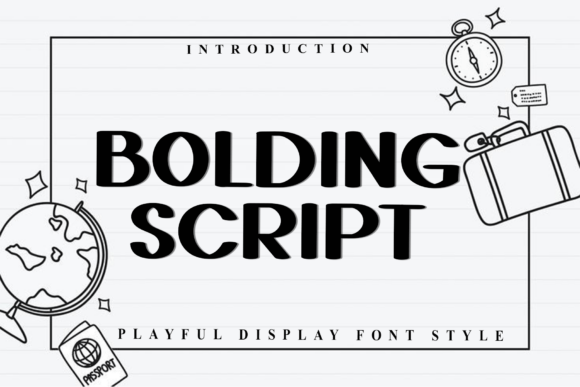
At its core, Bolding Script is defined by its fluidity. The letterforms are constructed to mimic the natural flow of hand-lettering, yet they maintain enough structural integrity to remain legible at various sizes. This "soft touch" is not merely a visual descriptor; it translates into how an audience perceives the content. In an era where digital communication can feel sterile, fonts with organic characteristics bridge the gap between screen and human connection. The versatility mentioned in its design brief is practical rather than theoretical. Because the strokes do not rely on extreme contrast or excessive swashes, Bolding Script functions effectively in contexts ranging from formal wedding stationery to casual social media graphics, without appearing out of place in either setting.
Considerations for Beginners and Hobbyists
For those just entering the world of graphic design or DIY crafting, font selection can be intimidating. Technical limitations and licensing confusion often stifle creativity early on. Bolding Script serves as an excellent entry point for beginners because of its inherent readability and broad compatibility with Windows and open-source platforms. Unlike highly stylized display fonts that require precise kerning adjustments or advanced software knowledge to look correct, this typeface is forgiving. Its natural spacing allows novice users to achieve professional-looking results in tools like Canva, Cricut Design Space, or Microsoft Word without needing extensive typographic training.
Hobbyists and crafters specifically benefit from the font’s adaptability to physical media. Whether cutting vinyl for custom t-shirts, engraving wood signs, or creating handmade greeting cards, the stroke weight of Bolding Script holds up well during fabrication. Thin, spindly scripts often break during the weeding process or fail to transfer cleanly, but the slightly bolder construction here ensures durability. For this audience, the priority is often ease of use and reliability over experimental aesthetics, making this font a dependable staple in their creative toolkit.
Professional Application and Brand Identity
Experienced designers and marketers evaluate typography through a different lens. For professionals, the question is rarely "does this look nice?" but rather "does this solve a communication problem?" Bolding Script offers a strategic advantage for brands aiming to convey authenticity, warmth, or artisanal quality. In sectors such as boutique retail, wellness, food and beverage, and lifestyle blogging, consumers are increasingly drawn to visuals that reject corporate sterility. This font supports that narrative by adding a layer of human craftsmanship to packaging, logos, and web headers.
However, professionals must also consider hierarchy and pairing. While Bolding Script is versatile, it performs best when anchored by a clean, neutral sans-serif or a structured serif for body copy. Its distinctive character means it should be used intentionally for headlines, quotes, or accent elements rather than long-form text. Marketers utilizing this font for ad creatives or email campaigns will find that its eye-catching nature improves scroll-stopping power, provided it is used with adequate whitespace. The commercial value here lies in its ability to elevate perceived brand worth without requiring custom lettering services, offering a cost-effective solution for small businesses and freelancers who need high-impact visuals on a budget.
Educational and Non-Profit Use Cases
Educators and non-profit organizers have distinct priorities centered on accessibility, engagement, and resource management. In educational materials, particularly for adult learners or creative workshops, typography influences cognitive load and emotional reception. Bolding Script’s softer aesthetic can make instructional materials feel less daunting and more inviting, which is crucial for fostering a positive learning environment. When designing certificates, awards, or event flyers, this font adds a sense of occasion and celebration that standard system fonts lack.
Furthermore, the compatibility with open-source platforms is a significant factor for educators and non-profits operating with limited budgets. Being able to deploy a consistent, high-quality typeface across different computers and operating systems without purchasing expensive licenses removes technical barriers. This reliability ensures that a volunteer designing a fundraiser poster on a Linux machine sees the same result as a staff member working on a Windows PC, maintaining organizational consistency despite varied technical environments.
Evaluating Fit for Your Specific Project
Determining whether Bolding Script aligns with your current needs requires an honest assessment of your project’s goals and your own skill level. Not every script font suits every purpose, and recognizing when to use this specific typeface is part of developing design maturity. Consider the following factors when deciding if this is the right choice:
- Tone Alignment: Does your project require a sense of warmth, elegance, or personal touch? If the goal is strict corporate authority or technical precision, a geometric sans-serif may be more appropriate. Bolding Script excels where emotion and connection are paramount.
- Legibility Requirements: While designed for clarity, script fonts inherently sacrifice some readability for style. Evaluate where the text will appear. For large-format signage or short digital headlines, it is ideal. For dense paragraphs or small-print legal disclaimers, reserve it for accents only.
- Technical Constraints: Confirm your output medium. If you are producing embroidery files or laser cuts, test the font at the intended size first. The soft strokes generally translate well, but verifying the minimum viable size prevents production errors.
- Audience Expectation: Consider who will be viewing the work. Younger demographics might associate script fonts with vintage or retro trends, while older audiences may view them as traditional or formal. Understanding these associations helps in positioning the font correctly within your layout.
Maximizing Long-Term Value
Beyond immediate aesthetic appeal, the long-term usefulness of a font like Bolding Script lies in its flexibility across evolving trends. Design trends cycle rapidly, but fonts rooted in natural handwriting tend to age more gracefully than those tied to specific fads. By integrating this typeface into a broader design system, creators can future-proof their assets. It pairs well with minimalist layouts today and can equally support maximalist, textured designs tomorrow.
For entrepreneurs and publishers, investing time in mastering the nuances of this font pays dividends in brand recognition. Consistency builds trust. When customers repeatedly encounter the same distinctive typographic voice across products, websites, and social media, it reinforces brand memory. The "special character" of Bolding Script becomes synonymous with the creator’s identity. Ultimately, the value of this font is not just in its beautiful strokes, but in its capacity to serve as a reliable, adaptable tool that grows alongside the user’s creative journey, supporting everything from first attempts at design to established commercial enterprises.