Gardening: Elevating Botanical Design with Ornate Calligraphy
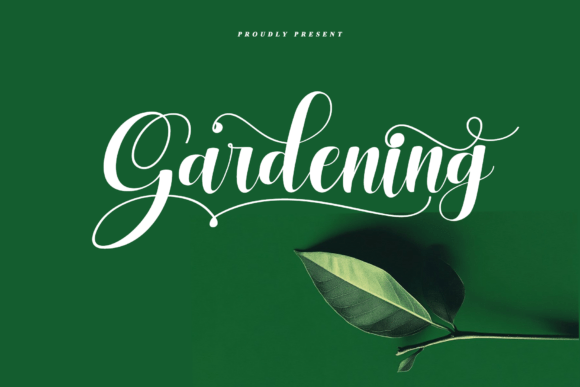
When a design project demands the organic fluidity of nature combined with high-end sophistication, the Gardening font serves as a powerful visual anchor. This isn't merely a typeface; it is an ornate calligraphic script that mimics the unhurried growth of vines and the delicate structure of blooming flora. Characterized by thick, smooth strokes and an abundance of decorative swashes, loops, and elegant flourishes, Gardening transforms standard text into a handcrafted work of art. For designers, brides, and brand owners aged 20 to 50 who value aesthetic precision, this typeface offers a unique solution for conveying timeless, cultivated grace without sacrificing modern readability.
The Anatomy of Botanical Elegance
Understanding what makes Gardening distinct helps in applying it effectively. Unlike standard scripts that prioritize uniformity, this typeface embraces the asymmetry found in actual gardens. The letterforms are designed to intertwine, creating a sense of connection between characters that feels intentional rather than accidental. The thick strokes provide a solid foundation, ensuring the font remains legible even at smaller display sizes, while the terminal flourishes add movement and direction to the layout.
This duality of structure and ornamentation is what separates Gardening from generic handwriting fonts. It possesses a weight and presence that commands attention, making it suitable for luxury applications where flimsy or overly playful scripts might undermine the perceived value of the product or event. The PUA-encoding is a critical technical feature here, as it allows users to access every alternate character, swash, and ligature directly through standard design software like Canva, Cricut Design Space, or Adobe Illustrator, removing the friction often associated with complex typography.
Curating Unforgettable Wedding Stationery
The wedding industry remains the most natural habitat for the Gardening font, but its application requires strategic thinking to avoid cliché. Modern couples often seek stationery that feels personal and artisanal rather than mass-produced. Gardening bridges the gap between traditional formality and contemporary romanticism.
- Invitation Suites: Use the primary swash capitals for the couple’s names to create a focal point, but switch to simpler alternates for the venue and date details to maintain hierarchy.
- Place Cards and Menus: The font’s fluidity works exceptionally well on textured paper stocks like cotton rag or linen. The ink spread on these surfaces enhances the "hand-lettered" illusion.
- Signage and Welcome Boards: Because of its thick strokes, Gardening scales up beautifully for acrylic or wood signage without losing definition, unlike thinner scripts that can disappear against busy backgrounds.
A practical observation for stationers: always test print. The intricate loops that look stunning on screen can sometimes fill in when printed on uncoated papers at small sizes. Utilizing the PUA-encoded alternates allows you to select open-loop variations specifically for smaller text elements, ensuring clarity while maintaining the cohesive botanical theme.
Branding for Organic and Artisanal Markets
Beyond weddings, Gardening has found a vital role in packaging and branding for industries rooted in nature. Consumers in the organic food, skincare, and floral sectors are increasingly savvy; they can distinguish between genuine craftsmanship and superficial greenwashing. Typography plays a subconscious role in signaling authenticity.
For organic food packaging, such as honey jars, tea tins, or artisanal preserves, Gardening communicates heritage and slow production. The elaborate flourishes suggest that the product inside was made with care and time. However, balance is key. Pairing this ornate script with a clean, minimalist sans-serif for nutritional information and regulatory text creates a professional contrast that prevents the label from looking cluttered or outdated.
In luxurious cosmetic branding, particularly for botanical skincare lines, the font evokes a sense of spa-like tranquility and premium sourcing. The smooth strokes align visually with concepts of softness and purity. Designers working in this space often utilize the initial and terminal flourishes as standalone graphic elements, framing logos or separating content sections without needing additional illustration assets. This versatility makes Gardening a cost-effective tool for building a comprehensive visual identity system.
Practical Considerations for Digital and Print Application
While Gardening is undeniably beautiful, its ornate nature introduces specific challenges that require practical solutions. Recognizing these limitations upfront saves hours of revision time.
Readability and Hierarchy
The sheer artistry of Gardening means it should never be used for body copy. It is strictly a display typeface. Attempting to set paragraphs or long lists in this font will result in illegible texture rather than communication. Reserve it for headlines, names, short phrases, and pull quotes. When designing for digital platforms, ensure sufficient contrast against the background. The intricate details can get lost on low-resolution screens or against photographic backgrounds with high visual noise. A subtle drop shadow or a solid color block behind the text can preserve the integrity of the swashes.
Leveraging PUA Encoding Effectively
Many users purchase premium scripts but never unlock their full potential because they don't understand PUA encoding. With Gardening, the default keystrokes give you the standard alphabet, but the magic lies in the alternates. In software like Cricut Design Space or Silhouette Studio, accessing these glyphs is essential for customizing word shapes. If two letters connect awkwardly, there is likely an alternate version designed to fix that specific pairing. Taking ten minutes to explore the glyph panel can transform a rigid line of text into something that looks genuinely bespoke.
Spacing and Kerning Adjustments
Calligraphic scripts rely on connections, but digital kerning isn't always perfect. You may find that certain capital-to-lowercase transitions leave gaps or cause overlaps that feel unintentional. Manual kerning is non-negotiable with Gardening. Tighten the spacing where connections break and loosen it where flourishes collide. This micro-adjustment is what elevates a design from "typed" to "lettered." For large-format printing like vinyl decals or neon signs, pay extra attention to the thinnest parts of the swashes to ensure they are wide enough to be cut or bent without breaking.
Situational Versatility Across Industries
The adaptability of Gardening extends into niche markets that benefit from a touch of elegance. Event planners use it for gala tickets and charity auction programs where the typography must signal exclusivity. Interior designers incorporate it into custom wall art and nursery decor, where the soft, looping forms complement curved furniture and organic textures. Even in editorial design for gardening magazines or botanical journals, it serves as an effective tool for section dividers and cover titles, reinforcing the subject matter through form.
For freelancers and agency designers, offering Gardening as part of a branding package adds tangible value. Clients often struggle to articulate why they want a "natural" look, and presenting this typeface provides an immediate visual shorthand for their vision. It solves the problem of how to make a brand feel established and luxurious without relying on overused vintage aesthetics. By understanding both the artistic capabilities and the technical requirements of Gardening, creatives can deploy it confidently across mediums, ensuring that every flourish serves a purpose and every stroke enhances the message.