Mulyo King: Harnessing Raw Handwritten Energy for Bold Visual Communication
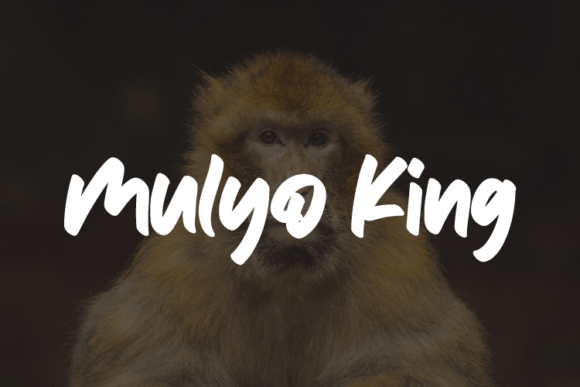
In the vast landscape of digital typography, finding a typeface that genuinely mimics the unbridled energy of human handwriting is a distinct challenge. Most script fonts prioritize elegance or legibility over emotion, often resulting in designs that feel sanitized or overly polished. Mulyo King disrupts this norm by offering a high-energy, confident, and expressive handwritten script that prioritizes authenticity over perfection. Its thick, swift strokes and slightly angular connections create a raw, dynamic, and assertive signature style that commands attention. For designers, marketers, and content creators seeking to inject charisma into their visual projects, understanding the mechanical and aesthetic nuances of this typeface is essential for effective implementation.
The Anatomy of Assertive Hand-Lettering
To utilize Mulyo King effectively, one must first understand its structural DNA. Unlike traditional calligraphy scripts that rely on smooth, flowing curves and consistent baselines, this typeface is built on momentum. The "swift strokes" mentioned in its description are not merely stylistic flourishes; they are fundamental to how the font renders at various sizes. The thickness of the stroke suggests speed and pressure, mimicking the natural behavior of a marker or brush pen moving quickly across paper. This creates an inherent sense of urgency and confidence that static, geometric sans-serifs cannot replicate.
The slightly angular connections between characters serve a dual purpose. Aesthetically, they prevent the font from looking too soft or feminine, pushing it toward a more neutral or masculine aggression suitable for sports and street culture. Functionally, these angles improve readability at smaller display sizes where smooth curves might blur together. The irregularity of the connections also ensures that no two words look identical when set in a line, preserving the illusion of genuine hand-lettering even in digital formats. This balance between raw expression and functional legibility is what separates professional-grade display fonts from novelty novelties.
Psychological Impact in Brand Identity
Typography carries psychological weight, and Mulyo King leverages specific traits to evoke distinct emotional responses. The boldness of the letterforms communicates authority and decisiveness. In branding psychology, heavy stroke weights are associated with strength and stability, while handwritten elements suggest approachability and human touch. By combining these opposing forces, the typeface bridges the gap between corporate confidence and grassroots authenticity.
- Dynamism: The forward-leaning momentum suggests progress and action, making it ideal for brands that want to appear innovative rather than stagnant.
- Authenticity: Imperfections in the stroke terminals signal that a human was involved in the creation process, fostering trust in an era of AI-generated content.
- Exclusivity: Because the font has such a strong personality, it acts as a primary brand identifier, reducing reliance on logos or icons to establish recognition.
When integrating this typeface into a brand identity system, it functions best as a voice rather than a whisper. It is not designed for body copy or subtle accents. Instead, it should serve as the primary vehicle for brand slogans, campaign headers, and signature sign-offs. The confidence embedded in the design requires equally confident copywriting; pairing Mulyo King with passive or weak language creates cognitive dissonance. The text must match the visual intensity to maintain coherence.
Strategic Applications Across Industries
While versatile, Mulyo King excels in specific environments where standard typography fails to capture the necessary atmosphere. Its utility extends beyond simple aesthetics into functional communication strategies across various sectors.
Sports and Athletic Marketing
The sports industry thrives on adrenaline, competition, and individual achievement. Standard block letters can feel institutional, while elegant scripts lack grit. Mulyo King occupies the perfect middle ground for athletic graphics. Its assertive signature style mirrors the personal branding of athletes themselves. On custom apparel, jerseys, or merchandise, the font reads like a player’s autograph or a coach’s motivational note. This personalization transforms generic team gear into items with perceived emotional value. For event posters and social media announcements, the high-energy strokes convey movement and excitement before the viewer even processes the informational content.
Streetwear and Lifestyle Apparel
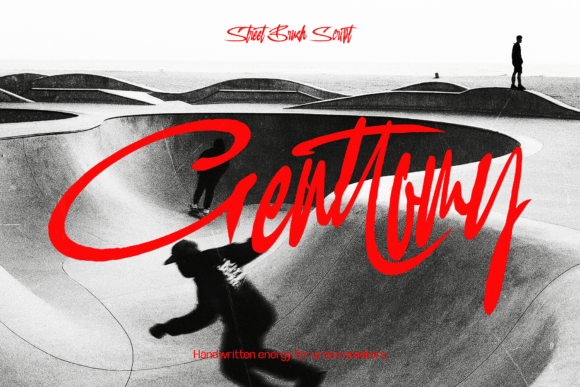
Fashion branding, particularly within streetwear and urban lifestyle niches, relies heavily on typographic expression. Consumers in this space value uniqueness and cultural relevance over polish. Mulyo King’s raw aesthetic aligns with the DIY ethos of skate culture, hip-hop, and independent art scenes. When used on t-shirts, hoodies, or limited-edition drops, the typeface suggests exclusivity and artistic intent. Designers should consider treating the text as an illustration rather than mere labeling. Distorting, masking, or overlapping the letterforms can enhance the chaotic energy that defines contemporary fashion graphics.
Event Promotion and Entertainment
Music festivals, concerts, and nightlife venues require typography that promises an experience. Mulyo King’s expressive nature translates well to gig posters and ticket designs because it implies live performance and spontaneity. Unlike clean, grid-based layouts that suggest organized efficiency, this handwritten script hints at the unpredictable energy of a live show. For educators and community organizers, this same energy can be repurposed to make workshops, rallies, or youth programs feel engaging and accessible rather than academic or bureaucratic. The key is context; the font signals "participation" rather than "observation."
Technical Considerations for Optimal Rendering
Achieving professional results with Mulyo King requires adherence to specific technical best practices. Because the font is designed to look handmade, improper usage can quickly degrade its quality and make designs look amateurish.
- Avoid All-Caps Settings: Handwritten scripts are structurally designed for mixed-case or lowercase dominance. Forcing Mulyo King into all-caps typically breaks the connecting flows and destroys the rhythmic cadence of the letterforms. If emphasis is needed, increase the point size or use color contrast rather than capitalization.
- Manage Tracking and Kerning: Display scripts often have tight default spacing to simulate connected writing. However, depending on the word combination, manual kerning adjustments may be necessary to prevent awkward collisions or excessive gaps. Never apply positive tracking (letter-spacing) to connected scripts, as this visually separates the strokes and ruins the handwriting illusion.
- Hierarchy and Pairing: Due to its high visual volume, Mulyo King demands negative space. Surrounding it with cluttered elements diminishes its impact. Pair it with a clean, neutral sans-serif or a simple monospaced font for supporting text. The contrast between the chaotic energy of the headline and the structured order of the body copy enhances readability and guides the viewer’s eye through the layout.
- Color and Texture Integration: Solid black on white is the baseline, but this typeface responds exceptionally well to texture. Applying grain, ink bleed effects, or gradient overlays can enhance the tactile quality of the strokes. Conversely, using neon colors against dark backgrounds amplifies the "high-energy" characteristic, making it suitable for digital screens and video thumbnails.
Navigating Legibility vs. Expression
A common pitfall when working with expressive scripts is sacrificing comprehension for style. While Mulyo King is praised for its assertive signature style, designers must remain vigilant about accessibility. At very small sizes, the thick strokes and angular connections can merge, creating illegible blobs. Establish minimum size thresholds for print and digital applications. In web design, ensure that fallback fonts are specified in case the custom font fails to load, choosing alternatives that preserve the intended tone without breaking the layout.
Furthermore, consider the audience's reading proficiency. Highly stylized scripts take longer to decode than standard typefaces. Use Mulyo King for short, impactful phrases where instant recognition is less critical than emotional resonance. For essential information like dates, prices, or instructions, revert to highly legible typefaces. This strategic division of labor ensures that the design remains both charismatic and functional.
The Role of Authenticity in Modern Design Trends
The resurgence of interest in fonts like Mulyo King reflects a broader shift in design culture away from sterile minimalism toward maximalist authenticity. As digital interfaces become increasingly uniform, audiences crave visual markers that signify human presence. This typeface serves as a tool for re-humanizing digital spaces. It reminds viewers that behind every brand, product, or message is a person with a distinct voice.
For researchers and educators studying visual communication, Mulyo King offers a case study in semiotic signaling. It demonstrates how typographic form influences perception of brand personality. For business owners, it represents a cost-effective way to differentiate from competitors using stock corporate typefaces. For hobbyists and creators, it provides a canvas for self-expression that feels professional yet personal. Ultimately, the value of this typeface lies not just in its aesthetic appeal, but in its ability to facilitate genuine connection through the universal language of handwriting. By respecting its characteristics and applying it with intention, designers can unlock a level of visual storytelling that resonates deeply with contemporary audiences.