Someting Font: Adding Warmth to Digital Design
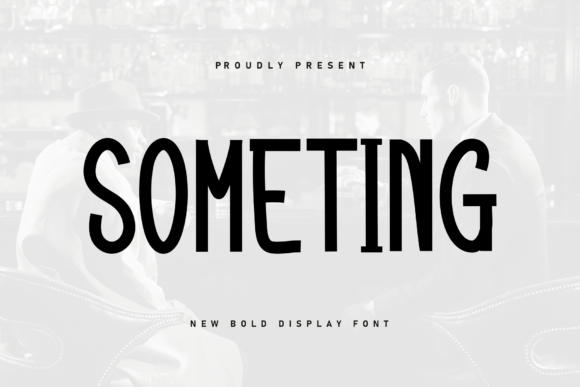
In a digital landscape often dominated by rigid grids and sterile geometry, finding a typeface that feels genuinely human can transform a project from functional to emotional. Someting is a sweet and beautiful handwritten font that captures this elusive quality through characters that dance along the baseline. Rather than adhering to a strict horizontal line, the letters in Someting rise and fall with a natural rhythm, mimicking the organic imperfections of actual penmanship. This movement adds a cozy accent to any design project, creating an immediate sense of intimacy and approachability that standard sans-serif or serif fonts simply cannot replicate.
Understanding how to leverage this specific typographic personality requires looking beyond aesthetics. While the visual appeal is undeniable, the true value of Someting lies in its ability to communicate tone. For different creators and professionals, this tone serves distinct strategic purposes. Whether you are crafting a wedding invitation, designing a product label, or building a personal brand, recognizing where this font fits into your broader visual hierarchy is essential for effective communication.
Why Baseline Variation Matters in Typography
The defining characteristic of Someting is its dancing baseline. In typography, the baseline is the invisible line upon which most letters sit. When a font deviates from this line intentionally, it creates a sense of motion and informality. For designers evaluating this font, it is important to understand that this feature acts as a double-edged sword. On one hand, it prevents the text from looking stamped or manufactured. On the other hand, it reduces scannability compared to static typefaces.
This distinction matters significantly depending on your end goal. If your priority is rapid information consumption, such as in technical documentation or navigation menus, Someting may not be the appropriate choice. However, if your objective is to slow the reader down and encourage them to savor the message, the irregularity becomes an asset. The eye must engage more actively with dancing letterforms, which increases dwell time and emotional connection. This makes it particularly valuable for projects where the feeling of the message is just as important as the literal content.
Perspectives for Beginners and Hobbyists
For those new to graphic design or DIY enthusiasts working on personal projects, Someting offers a high-impact solution with a low barrier to entry. Beginners often struggle with making their designs look professional rather than amateurish. A common pitfall is using generic free scripts that lack refinement. Someting provides a level of polish that elevates hobbyist work instantly.
- Ease of Use: Because the font carries so much personality on its own, it requires less manipulation. You do not need to manually adjust kerning or add decorative swashes to make it look interesting.
- Forgiving Layouts: The organic nature of the font pairs well with imperfect, handmade elements like watercolor splashes, torn paper textures, or candid photography.
- Learning Value: Using Someting teaches beginners about contrast. It forces new designers to think about pairing a display font with a clean body text, reinforcing fundamental design principles.
For a hobbyist creating scrapbook pages or personalized greeting cards, the "cozy" factor translates directly to perceived effort and care. The font signals to the recipient that time was taken to select something special, enhancing the sentimental value of the physical object.
Strategic Applications for Marketers and Entrepreneurs
Professionals approach typography with a focus on conversion, brand identity, and audience psychology. For marketers and small business owners, Someting is a tool for differentiation in saturated markets. In industries like wellness, artisanal food, children’s products, and boutique retail, trust is often built through perceived authenticity. A polished corporate font can sometimes signal distance or mass production, whereas a handwritten style suggests a human touch behind the brand.
However, commercial users must evaluate Someting based on versatility and licensing. Unlike a hobbyist who uses a font once, a business needs a typeface that works across multiple touchpoints. Does it remain legible on a mobile screen? Does it hold up when printed on textured packaging? Can it be used in social media graphics without losing clarity?
Entrepreneurs should consider Someting primarily for headlines, logos, and short call-to-action buttons rather than long-form copy. Its strength lies in stopping the scroll. When used in paid advertising or email subject headers, the dancing baseline breaks the visual pattern of standard feeds, potentially increasing click-through rates. The key is restraint; using it sparingly maintains its impact and ensures the overall design remains accessible and readable.
Educators and Content Creators
For educators, bloggers, and content creators, readability and engagement are paramount. These audiences often produce large volumes of material and need to maintain viewer interest over time. Someting serves a specific role here as a pacing mechanism. In educational worksheets or blog posts, walls of text can cause fatigue. Interspersing headings or pull quotes set in Someting creates visual breathing room.
Educators specifically may find value in the font’s approachable aesthetic for younger audiences or adult learners in creative fields. It softens the tone of instructional materials, making feedback or guidelines feel less authoritative and more supportive. For content creators building a personal brand, consistency is vital. Adopting Someting as a signature element helps establish visual recognition. Followers begin to associate that specific bouncy rhythm with your voice and content niche, strengthening community bonds.
Evaluating Fit: Quality, Flexibility, and Presentation
Deciding whether Someting matches your specific needs involves assessing several practical factors beyond personal taste. Different projects demand different priorities, and what works for a wedding stationer may not work for a tech blogger.
Quality and Craftsmanship: Examine the vector points and spacing. High-quality handwritten fonts like Someting are digitized carefully to preserve the stroke variation of the original writing. Check if the font includes alternate characters or ligatures. These features prevent repetitive letter shapes when typing common combinations, maintaining the illusion of real handwriting. If a font lacks these alternates, the artificiality becomes apparent quickly in longer phrases.
Flexibility vs. Specificity: Someting has a very specific mood: sweet, cozy, and feminine. Evaluate whether this aligns with your long-term brand direction. If your brand voice is edgy, minimalist, or strictly corporate, this font may create cognitive dissonance. Conversely, if your brand evolves seasonally, Someting might be perfect for holiday campaigns or special editions while being too informal for year-round use.
Presentation Context: Consider the final output medium. On high-resolution print materials, the delicate details of the dancing baseline shine. On low-resolution screens or at very small sizes, those same details can blur. Always test the font at the actual size it will be viewed. A font that looks beautiful at 72pt on a poster may become illegible at 14pt on a website footer.
Making the Final Decision
Ultimately, Someting is best suited for projects where emotion leads logic. It is a typeface that prioritizes feeling over function, making it ideal for invitations, branding, packaging, and expressive digital content. For beginners, it is a shortcut to warmth. For professionals, it is a strategic lever for authenticity. For educators and creators, it is a tool for engagement.
Before committing to Someting for a major project, create a mockup in the actual context of use. Type out real content rather than placeholder text to see how the baseline variation affects reading flow. Ensure that the "cozy accent" enhances your message rather than distracting from it. When applied with intention and respect for its unique characteristics, Someting transforms standard text into a conversation, bridging the gap between digital pixels and human connection.