Elevating Business Strategy with a Marketing Plan PowerPoint Template
In the fast-paced world of modern business, the ability to communicate complex strategies clearly is just as important as the strategy itself. Stakeholders, investors, and team members do not have the time to decipher dense text documents or unstructured data. They need visual clarity, narrative flow, and professional polish. This is where a dedicated Marketing Plan PowerPoint Template becomes an essential asset rather than a mere convenience. By providing a structured framework for presenting ideas, these templates bridge the gap between raw data and persuasive storytelling.
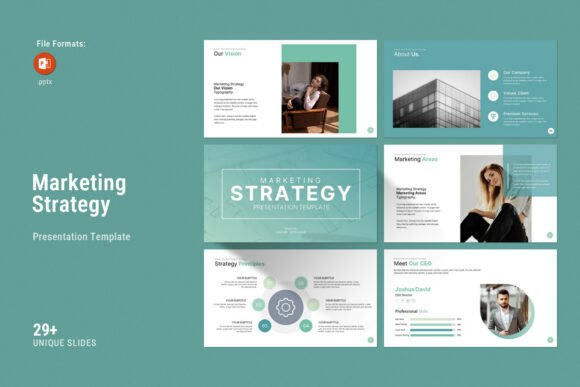
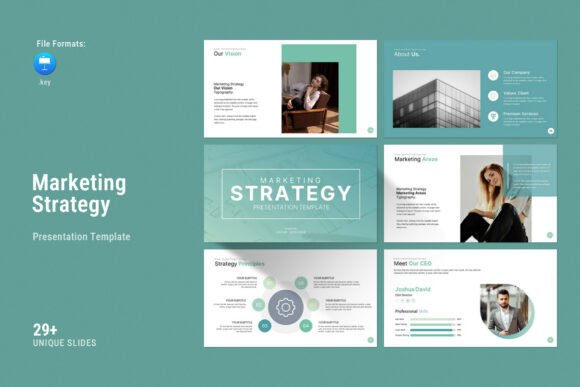
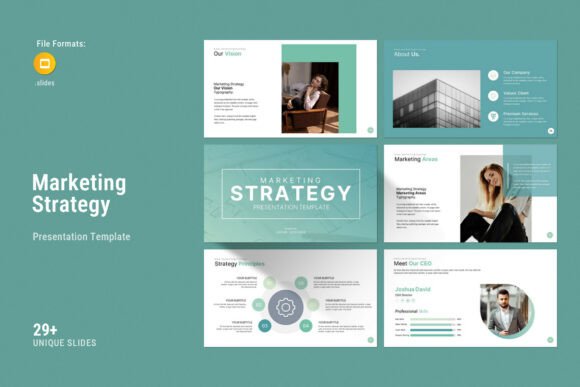
While many professionals are accustomed to building presentations from scratch, the efficiency and aesthetic consistency offered by a pre-designed template cannot be overstated. Specifically, contemporary templates that balance creative photo layouts with functional infographics allow users to focus on content strategy rather than pixel-pushing. Understanding how to leverage such a tool effectively can transform a standard quarterly review into a compelling vision for growth.
The Strategic Value of Professional Presentation Design
A marketing plan is inherently multifaceted. It encompasses market research, competitive analysis, budget allocation, channel strategy, and projected KPIs. Translating this diversity of information into a cohesive deck requires a design system that is flexible yet consistent. A high-quality Marketing Plan PowerPoint Template serves as that system. It is not simply a collection of pretty slides; it is a visual architecture designed to guide the audience through a logical progression of ideas.
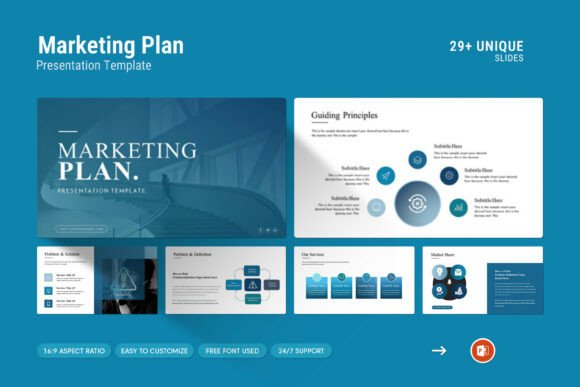
The primary value lies in cognitive load management. When a presentation looks amateurish or disjointed, the audience spends mental energy processing the design flaws rather than absorbing the message. Conversely, a clean, contemporary design signals competence and preparation. The template described here features 30 distinct slides, including master slide layouts, which ensures that headers, footers, and branding elements remain uniform throughout the deck. This consistency builds trust, allowing the presenter to maintain authority while discussing intricate marketing mechanics.
Core Features That Drive Efficiency
For business owners and creators, time is often the scarcest resource. The technical specifications of a template determine whether it saves time or creates new headaches. When evaluating a Marketing Plan PowerPoint Template, specific functional characteristics dictate its real-world utility:
- Cross-Platform Compatibility: Modern teams rarely work in a single ecosystem. A robust template must function seamlessly on both Apple Keynote/PowerPoint and Windows environments. This ensures that collaboration is never bottlenecked by operating system differences.
- Full HD 16:9 Aspect Ratio: With most meetings now occurring via video conferencing or on widescreen monitors, the 1920x1080px resolution is non-negotiable. Legacy 4:3 formats appear outdated and waste valuable screen real estate.
- Master Slide Architecture: True editability comes from master slides. Rather than formatting thirty individual slides one by one, users can adjust global styles instantly. This feature is critical for agencies managing multiple client brands or companies undergoing rebranding.
- Drag-and-Drop Image Replacement: Customizing visuals should be intuitive. Templates that utilize picture placeholders allow users to swap generic stock photos for actual product shots or team portraits without breaking the layout alignment.
- Vector Icons and Infographics: Raster images pixelate when resized; vectors do not. Access to editable vector icons and diagrams allows for infinite scalability and color customization to match specific brand guidelines.
Practical Applications Across Business Scenarios
The versatility of a well-structured Marketing Plan PowerPoint Template extends far beyond traditional marketing departments. Because the underlying structure focuses on persuasion and data visualization, these tools are applicable across various professional contexts.
Startup Pitch Decks and Investor Relations
Entrepreneurs seeking funding must articulate their go-to-market strategy with precision. Investors look for evidence of thorough planning and realistic execution. Using a template that includes dedicated slides for SWOT analysis, customer personas, and financial projections helps founders structure their narrative according to industry standards. The inclusion of tables and diagrams allows startups to present market sizing and revenue models visually, making abstract numbers tangible and convincing.
Internal Quarterly Business Reviews (QBRs)
For marketing managers reporting to C-suite executives, clarity is paramount. Executives need to see performance against goals quickly. A template featuring pre-built infographic slides and comparison tables enables managers to highlight wins and address challenges efficiently. Instead of spending hours designing charts, the manager can populate existing frameworks with updated data, ensuring the meeting focuses on strategic pivots rather than data verification.
Agency Client Proposals
Digital marketing agencies live and die by their ability to sell services. A generic proposal feels transactional; a customized, visually stunning presentation feels like a partnership. Agencies can use the "easy color change" and free font integration features of the template to white-label decks for different clients rapidly. The creative photo layouts help showcase portfolio work, while the diagram slides explain complex SEO or PPC strategies in accessible terms.
Evaluating Suitability: Strengths and Considerations
While a Marketing Plan PowerPoint Template offers significant advantages, it is important to approach its use with realistic expectations. Understanding both the strengths and limitations ensures the tool enhances rather than hinders the communication process.
Strengths to Leverage
The most immediate benefit is the reduction of design friction. For non-designers, achieving a "professional and clean" aesthetic is difficult. This template removes the guesswork regarding whitespace, typography hierarchy, and color theory. Furthermore, the inclusion of a help file and access to skilled designer support mitigates the learning curve. If a user encounters an issue with a master slide or needs guidance on customizing a vector element, direct support transforms the product from a static file into a service-enabled solution.
Additionally, the use of free fonts eliminates licensing concerns. Many premium templates require users to purchase expensive typefaces, adding hidden costs and administrative delays. A template relying on universally available or free-to-use typography ensures that the presentation renders correctly on any device, regardless of who opens it.
Considerations and Best Practices
Users must remember that a template is a vessel, not the content itself. There is a risk of letting the design dictate the message rather than supporting it. Just because there are 30 slides does not mean all 30 should be used. Effective communication often requires subtraction. Professionals should curate the slide selection based on their specific narrative arc, deleting irrelevant layouts to maintain focus.
Another consideration is brand alignment. While the template offers easy color changes, users must have their brand assets ready before beginning. Applying corporate colors haphazardly can result in accessibility issues or visual discord. It is advisable to set up the theme colors in the master slide immediately upon opening the file to ensure every subsequent element adheres to brand standards automatically.
Finally, while the drag-and-drop functionality is powerful, image quality matters. Replacing a high-resolution placeholder with a low-quality crop will degrade the overall perception of professionalism. Users should source high-quality imagery that matches the tone of the template’s creative layouts to maintain the intended visual impact.
Making the Final Decision
Selecting the right presentation tool is a strategic decision. For general consumers, professionals, and business owners, the criteria should center on flexibility, ease of use, and output quality. A Marketing Plan PowerPoint Template that offers fully editable elements, cross-platform compatibility, and comprehensive support addresses the core pain points of business communication.
When reviewing potential templates, look beyond the thumbnail previews. Examine the feature list for practical necessities like master slides and vector graphics. Verify the aspect ratio matches your primary display environment. Confirm that support is available if technical issues arise. By prioritizing these functional attributes over superficial aesthetics, you ensure that the template serves as a reliable foundation for your most important business conversations.
Ultimately, the goal of any marketing presentation is to inspire action. Whether securing investment, aligning a team, or winning a client, the medium must facilitate the message. A thoughtfully designed template provides the scaffolding necessary to build that connection, allowing presenters to step away from design mechanics and step into their role as strategic leaders. With the right tools in hand, the focus shifts back to where it belongs: on the ideas that drive business forward.