Linnea: A Practical Guide to Using Handwritten Fonts in Creative Projects
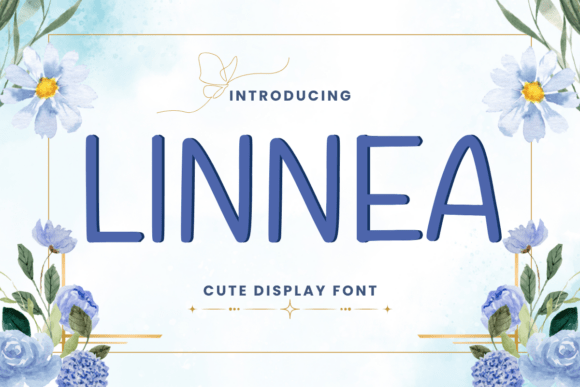
In the world of digital design, finding a typeface that bridges the gap between professional polish and authentic human warmth is a constant challenge. While sleek sans-serifs dominate corporate branding and elegant serifs rule editorial layouts, there remains a vast category of creative work that demands something more personal. This is where Linnea enters the conversation. As a simple and cute handwritten font inspired by natural handwriting, Linnea offers designers, crafters, and content creators a versatile tool for adding genuine character to their work without sacrificing readability.
Understanding how to effectively utilize a script like Linnea requires more than just installing the file; it involves recognizing the psychology of handwritten typography and knowing which applications benefit most from its specific aesthetic. Whether you are designing KDP interiors for Amazon, creating Canva templates for resale, or crafting personalized gifts, this guide explores the practical value and best practices for integrating this friendly typeface into your workflow.
The Psychology of Rounded Typography
Before diving into specific use cases, it is helpful to understand why fonts like Linnea resonate with audiences. Typography is not merely about legibility; it is a form of non-verbal communication. The rounded, soft terminals and organic flow of Linnea trigger a psychological response associated with approachability, safety, and intimacy. Unlike sharp, geometric fonts that can convey authority or sterility, rounded handwritten styles suggest a human touch.
This characteristic makes Linnea particularly effective for projects intended to foster connection. When a reader encounters this font in a journal or on a greeting card, the brain processes it similarly to actual handwriting. This reduces the cognitive distance between the creator and the consumer, making messages feel less like mass-produced content and more like personal correspondence. For business owners and creators, leveraging this emotional cue can significantly enhance user engagement and brand affinity.
Ideal Applications for Natural Handwriting Styles
Linnea’s design philosophy centers on simplicity and cuteness, which dictates its optimal use cases. It is not designed for dense body text in technical manuals, but rather for environments where personality and warmth are paramount. Below are the primary categories where this font excels.
Digital Planning and Journaling
The digital planning community has exploded in recent years, with users seeking interfaces that mimic the tactile experience of paper. Linnea is exceptionally well-suited for:
- Digital Planners: Use it for headers, monthly tabs, and motivational quotes to break up the monotony of grid lines.
- Sticky Notes and Widgets: Its legible yet informal style makes it perfect for reminder widgets on iPad or tablet screens.
- Journal Prompts: When creating guided journals, using a handwritten font for questions encourages users to respond authentically.
KDP Interiors and Low-Content Books
For creators publishing through Amazon KDP, differentiation is key. Many low-content books suffer from generic, sterile interiors. Incorporating Linnea can transform a standard notebook into a desirable product. It works beautifully for gratitude journals, baby memory books, and teacher planners. However, creators must ensure sufficient contrast and sizing, as KDP printing can sometimes soften fine details. Testing print proofs is essential when using any handwritten font for physical publishing.
Canva Templates and Social Media
Template creators face the unique challenge of designing assets that look good across thousands of different edits. Linnea’s balanced proportions make it a safe choice for editable templates because it remains legible even when resized by non-designers. It pairs seamlessly with minimalist photography for Instagram stories, Pinterest pins, and TikTok overlays. Because the font is "cute" without being childish, it appeals to a broad demographic ranging from Gen Z students to millennial entrepreneurs.
Crafting and Sublimation
Physical crafting imposes different constraints than digital design. For sublimation tumblers, vinyl stickers, and DIY crafts, the weight of the font matters. Linnea’s strokes are generally consistent, which aids in cutting and heat transfer processes. It is ideal for:
- Name Decals: Personalized water bottles and lunchboxes.
- Baby Shower Signage: Welcome signs and favor tags.
- Greeting Cards: Adding a custom message overlay to printed cardstock.
Evaluating Suitability: Strengths and Considerations
While Linnea is a powerful asset, no single font is universally appropriate. Making informed design decisions requires an honest assessment of its strengths and limitations relative to your specific project goals.
Strengths in Practice
The primary strength of Linnea lies in its naturalism. Many commercial script fonts suffer from over-stylization, featuring excessive swashes or erratic baselines that hinder reading speed. Linnea maintains a steady rhythm and open counters, ensuring that even longer phrases remain accessible. This balance allows it to function in semi-functional roles, such as instructional labels or checklist items, where purely decorative scripts would fail.
Additionally, its versatility across mediums is noteworthy. A font that looks good on a high-resolution retina display does not always translate well to laser engraving or embroidery. Linnea’s relatively uniform stroke width provides enough structural integrity for these physical applications, reducing the risk of broken lines or filled-in loops during production.
Practical Limitations
Creators should be mindful of context. The "cute" aesthetic of Linnea may clash with luxury branding, legal documents, or somber memorial designs. Tone matching is critical; using a playful handwritten font in a serious context can undermine credibility. Furthermore, while Linnea is legible for short bursts of text, it should never replace body copy. Extended reading in any handwritten typeface causes eye fatigue. Reserve Linnea for headlines, captions, accents, and short-form messaging.
Another consideration is pairing. Because Linnea has a distinct personality, it requires supportive secondary fonts. Avoid pairing it with other highly stylized scripts. Instead, anchor it with clean geometric sans-serifs or classic monolinear typefaces. This creates visual hierarchy and ensures the handwritten elements pop without competing for attention.
Best Practices for Implementation
To maximize the effectiveness of Linnea in your projects, consider the following technical and stylistic guidelines derived from real-world application.
- Mind the Leading: Handwritten fonts often have taller ascenders and lower descenders than standard typefaces. Increase line height (leading) by at least 150% to prevent characters from colliding vertically.
- Avoid All-Caps: Unless specifically designed for it, handwritten fonts in all capital letters often look aggressive or illegible. Stick to sentence case or title case to preserve the natural flow of the letterforms.
- Test at Scale: Always view the font at the actual size it will be used. A 72pt header on a screen might look spacious, but that same header on a 2-inch sticker could become muddy. Print tests or mockups are non-negotiable for physical products.
- Color Matters: Soft colors complement Linnea’s friendly vibe. Pastels, muted earth tones, and warm neutrals enhance its organic feel. High-contrast neon or stark black can sometimes make the font appear harsher than intended, so adjust color choices to match the desired mood.
Making the Right Choice for Your Audience
Ultimately, the decision to use Linnea should be driven by audience needs rather than trend chasing. Ask yourself: Does my audience value perfection, or do they value connection? Are they looking for authoritative information, or are they seeking inspiration and comfort?
For educators creating classroom materials, Linnea can make learning resources feel less intimidating for young students. For wedding stationers, it adds a bespoke quality that elevates invitations above digital templates. For small business owners packaging handmade goods, it reinforces the artisanal nature of the product. In each scenario, the font serves a functional purpose beyond decoration—it communicates values.
By understanding the nuanced role of natural handwriting typography, creators can move beyond simply picking a "pretty font" to strategically employing type as a communication tool. Linnea represents a sweet spot in the typographic landscape: accessible enough for beginners, refined enough for professionals, and warm enough to make digital creations feel undeniably human. Whether you are filling a KDP interior, designing a birthday banner, or building a social media brand, approaching this font with intention will yield results that are both aesthetically pleasing and deeply effective.