Integrating Ginny: A Practical Guide to Authentic Handwritten Typography
Selecting the right typeface is rarely just an aesthetic decision; it is a functional component of communication strategy. For professionals, creators, and business owners, typography serves as the visual voice of a brand or project. Ginny enters this workflow not merely as a decorative element, but as a strategic tool designed to bridge the gap between digital efficiency and human connection. As a charming and authentic handwritten font, Ginny offers a specific utility: it provides the warmth of genuine penmanship without sacrificing the scalability required for modern design workflows. Understanding how to implement this typeface effectively requires looking beyond its visual appeal and examining its role in planning, execution, and long-term brand consistency.
Defining the Role of Organic Typography in Digital Workflows
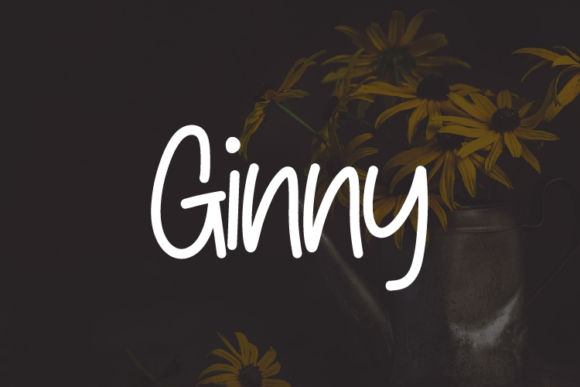
In a landscape saturated with polished sans-serifs and rigid geometric typefaces, organic fonts like Ginny serve a distinct psychological function. They signal approachability and authenticity. When integrating Ginny into a project, it is helpful to categorize it as a "voice" asset rather than a structural one. While body copy requires high legibility at small sizes, Ginny excels in areas where emotional resonance takes precedence over rapid information scanning. Its medium weight and slightly irregular strokes mimic natural handwriting, making it ideal for headers, pull quotes, signatures, and accent text.
During the initial planning phase of a creative project, determine where the "human touch" is most needed. If you are designing a lifestyle blog, Ginny might serve as the primary display font for post titles to establish a personal tone immediately. Conversely, in a corporate annual report, it might be reserved strictly for sidebar annotations or CEO messages to soften the data-heavy content. By defining these parameters early, you prevent the font from becoming overwhelming or losing its impact through overuse. The goal is to use Ginny to create focal points that guide the user’s eye and evoke a specific feeling of intimacy.
Pre-Project Preparation and Asset Management
Successful implementation begins before the design software is even opened. Proper file management and technical preparation ensure that Ginny integrates smoothly across various platforms and devices. Because handwritten fonts often contain unique ligatures and alternate characters, familiarizing yourself with the specific OpenType features included in the Ginny file is essential. These features allow for variation in letterforms, preventing the repetitive patterns that can make digital handwriting look artificial.
- Audit Platform Compatibility: Before purchasing or downloading, verify that Ginny supports the languages and special characters required for your specific market. Check compatibility with your primary design tools (Adobe Creative Cloud, Figma, Canva) and web platforms if using it digitally.
- Establish Hierarchy Guidelines: Create a style sheet that explicitly defines where Ginny sits in your typographic hierarchy. Pair it with a neutral sans-serif or serif for body text to ensure readability. Document specific size ratios; handwritten fonts often require larger point sizes than standard typefaces to maintain legibility.
- Licensing Verification: Review the license agreement regarding commercial use, web embedding, and app usage. Ensuring compliance during the preparation phase avoids legal complications later in the distribution process.
- Create Presets and Libraries: Save Ginny configurations as character styles or text presets in your design software. This reduces friction during the production phase and ensures consistent tracking, leading, and sizing across multiple assets.
Execution Strategies for Branding and Content Creation
When moving from planning to active creation, Ginny functions best when treated as a texture. In personal branding projects, such as logo design or social media templates, the font’s irregularity adds a layer of bespoke quality that stock graphics cannot replicate. However, execution requires restraint. Because the strokes are organic, they carry significant visual weight. Using Ginny in all-caps is generally discouraged, as it negates the natural flow of handwriting and reduces legibility. Instead, utilize title case or sentence case to preserve the rhythmic rise and fall of the letterforms.
For content creators and bloggers, Ginny can be integrated into the editorial workflow to break up dense text. Use it for subheadings, image captions, or highlighted takeaways. This creates a visual cadence that keeps readers engaged. When designing custom quotes or stationery, consider the interaction between the font and negative space. Handwritten typefaces need room to breathe; crowding Ginny against margins or other graphical elements diminishes its casual elegance. During the drafting process, test the font at actual output size. What looks readable on a 27-inch monitor may become illegible on a mobile screen or a printed business card. Iterative testing is a non-negotiable part of the execution phase.
Technical Integration Across Platforms and Tools
Ginny does not exist in a vacuum; it must interact seamlessly with other tools in your tech stack. For web designers, implementing a handwritten font requires careful attention to performance and fallback strategies. Web fonts add load time, so subset the Ginny font file to include only necessary characters. Always define a robust CSS font stack with appropriate cursive or sans-serif fallbacks to ensure the design remains functional if the custom font fails to load.
In video editing and motion graphics workflows, Ginny pairs exceptionally well with kinetic typography. The organic nature of the strokes allows for more fluid animation curves compared to rigid typefaces. When animating text reveals, match the easing to the natural speed of handwriting rather than mechanical linear transitions. For print designers working on packaging or physical stationery, pay close attention to ink spread. The medium weight of Ginny is generally forgiving, but on porous papers like kraft or uncoated stock, the ink may bleed slightly, thickening the strokes. Compensate for this during the prepress stage by adjusting stroke width or choosing appropriate paper stocks.
Maintaining Consistency and Quality Control
The biggest risk when using distinctive handwritten fonts is inconsistency. Without strict guidelines, Ginny can easily shift from looking "authentic" to looking "messy." Quality control involves establishing rules for usage that the entire team can follow. This includes standardized spacing values, approved color pairings, and clear examples of what not to do. For agencies or teams with multiple designers, creating a shared library of pre-approved Ginny text treatments ensures that every deliverable maintains the same level of polish.
Regular audits of existing assets help maintain this standard. Review past projects to see how the font has aged and whether it still aligns with current brand objectives. Typography trends evolve, and while Ginny’s classic handwritten style offers longevity, its application may need refinement over time. Solicit feedback from your audience regarding readability and tone. If users struggle to read key information or misinterpret the brand voice, adjust the implementation strategy accordingly. Data-driven design applies to typography just as much as it applies to UX layouts.
Long-Term Value and Workflow Efficiency
Investing time in properly integrating Ginny yields compounding returns. A well-executed handwritten typeface becomes a recognizable brand asset, reducing the need for additional illustrative elements to convey warmth. Over time, the association between the font and your brand strengthens, making communications instantly identifiable. From a productivity standpoint, having a defined typographic system eliminates decision fatigue. Designers and marketers spend less time debating font choices and more time focusing on message and strategy.
Furthermore, Ginny’s versatility extends its lifecycle across different project types. The same font used for a wedding invitation suite can be repurposed for a small business product label or a newsletter header, provided the context and pairing are adjusted appropriately. This flexibility makes it a cost-effective asset for freelancers and small business owners who need maximum impact from minimal resources. By viewing Ginny as a systematic component of your creative infrastructure rather than a fleeting trend, you ensure it continues to serve your practical and aesthetic goals for years to come.
Final Considerations for Implementation
Ultimately, the success of Ginny in your workflow depends on intentionality. It is a tool for connection, best used when the objective is to make the digital feel tangible. Whether you are crafting a personal brand identity, designing educational materials, or adding personality to marketing collateral, let the font’s inherent characteristics guide your decisions. Respect its organic nature, pair it thoughtfully, and manage it systematically. When these practical considerations are met, Ginny transcends being just a font and becomes a vital conduit for authentic communication.