Norton Vintage: Elevating Modern Design with Bold Retro Typography
In the ever-evolving landscape of graphic design, typography serves as the voice of visual communication. While minimalist sans-serif fonts have dominated the digital space for over a decade, there is a palpable shift occurring in creative circles. Designers and brands are increasingly seeking typefaces that carry weight, history, and distinct personality. Enter Norton Vintage, a display font that perfectly encapsulates the intersection of nostalgia and contemporary boldness. This typeface is not merely a collection of letterforms; it is a design tool crafted to evoke emotion, establish authority, and add a layer of grunge sophistication to modern projects.
Understanding Norton Vintage requires looking beyond its aesthetic surface. It represents a broader movement in design where "retro" does not mean outdated, but rather timeless and authentic. Whether you are a seasoned art director or a small business owner creating your first logo, grasping the utility of this font can significantly enhance your visual storytelling.
The Anatomy of Grunge and Bold Display Type
To fully appreciate Norton Vintage, one must understand what defines a "bold display font" with grunge characteristics. Unlike body text fonts designed for long-form reading at small sizes, display fonts are engineered to be seen from a distance or at large scales. They are the headlines, the logos, and the posters.
Norton Vintage distinguishes itself through specific anatomical features:
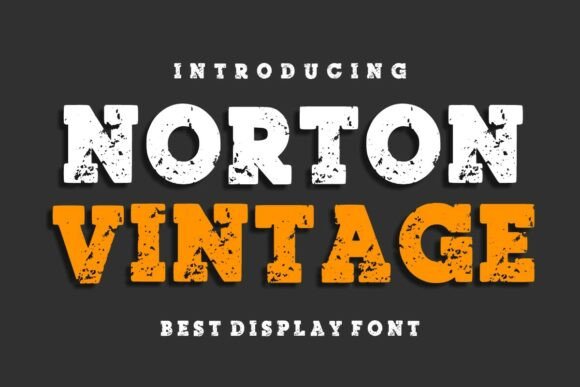
- Textured Imperfection: The grunge element introduces organic noise into the vector lines. This mimics the wear and tear of vintage printing presses, stamped metal, or weathered signage. In a digital world of pixel-perfect smoothness, this texture signals authenticity and human touch.
- Heavy Weight Distribution: The boldness of Norton Vintage provides immediate visual hierarchy. It commands attention without shouting, making it ideal for environments where viewers scroll quickly or pass by physically.
- Retro Silhouette: While the texture is grunge, the underlying structure pays homage to mid-20th-century industrial typography. It balances the aggression of distressed edges with the stability of classic geometric proportions.
This combination creates a versatile tension. It feels old enough to be trustworthy but bold enough to be relevant in 2024. For designers, this means the font does the heavy lifting of establishing a mood before the viewer even reads the actual words.
Why Retro Typography Matters in Modern Branding
A common misunderstanding in marketing is that retro design equates to being stuck in the past. However, semantic keywords in design psychology suggest otherwise. Vintage aesthetics trigger associations with craftsmanship, durability, and heritage. When a tech startup or a modern coffee shop uses a font like Norton Vintage, they are borrowing these positive attributes.
In an era of AI-generated content and sterile corporate minimalism, consumers crave connection. A bold, grunge display font acts as a visual anchor. It tells the audience that there is a story behind the brand. It suggests that the product or service has roots, even if the company was founded yesterday. This is particularly crucial for industries like artisanal food, craft brewing, outdoor apparel, and independent publishing, where perceived authenticity directly correlates with value.
Practical Applications Across Creative Projects
Norton Vintage is remarkably adaptable. Its utility spans across digital and print mediums, serving different functions depending on the context. Below is a breakdown of how this typeface performs in various real-world scenarios.
Branding and Logo Design
A logo needs to be memorable and scalable. Norton Vintage’s bold strokes ensure legibility even when shrunk down for a social media avatar or embroidered onto a hat. The grunge texture adds a unique identifier that prevents the logo from looking generic. For businesses in the automotive, barbering, or tattoo industries, this font aligns perfectly with subcultural aesthetics while remaining professional enough for mainstream appeal.
Editorial and Blog Headers
For content creators, the headline is the hook. Using a standard serif or sans-serif for blog titles can sometimes fail to convey the tone of the article. If you are writing about vinyl records, sustainable fashion, or travel memoirs, Norton Vintage sets the stage immediately. It transforms a simple title into a graphical element that encourages clicks and shares. Furthermore, because it is a display font, it pairs exceptionally well with clean, readable body text, creating a pleasing contrast that improves overall user experience.
Marketing Collateral and Advertising
In advertising, you often have less than three seconds to capture attention. Whether it is a Facebook ad, a billboard, or a flyer, Norton Vintage cuts through the visual clutter. Its high contrast and textured appearance stand out against both white backgrounds and dark photography. It is particularly effective for:
- Sale Announcements: The bold weight implies urgency and importance.
- Event Posters: Evokes the feel of vintage concert bills or circus posters.
- Product Packaging: Adds shelf presence to jars, boxes, and labels.
Personal Projects and Stationery
Beyond commercial use, Norton Vintage brings a curated aesthetic to personal creativity. Planners, photo albums, and greeting cards benefit from its warmth. In wedding invitations, for example, it offers an alternative to traditional script fonts. It suggests a celebration that is fun, relaxed, and stylishly non-traditional. For scrapbookers and journal enthusiasts, the font’s distressed look complements physical textures like kraft paper, tape, and polaroids.
Best Practices for Using Norton Vintage Effectively
While Norton Vintage is a powerful tool, it requires thoughtful application. Beginners often make the mistake of overusing display fonts or pairing them incorrectly. To maximize the impact of this typeface, consider the following educational guidelines.
Mind the Hierarchy
Norton Vintage is loud. Use it for headlines, subheads, and short phrases only. Never use it for paragraphs of body copy. The grunge texture that makes it beautiful at 72pt becomes illegible mud at 12pt. Always pair it with a neutral sans-serif or a highly readable serif for supporting text. This contrast ensures your design remains accessible and functional.
Color and Background Considerations
Because the font has built-in texture, be cautious when placing it over busy images. The internal noise of the letters can clash with the noise in a photograph. If using a photo background, apply a solid color overlay or choose an image with ample negative space. Conversely, Norton Vintage shines on solid, muted color palettes. Earth tones, creams, charcoals, and desaturated blues enhance its vintage vibe without competing for attention.
Spacing and Kerning
Display fonts often require manual adjustment. Depending on the word length, you may need to tighten the tracking (letter spacing) to create a cohesive block of text, or loosen it to add airiness. With grunge fonts specifically, watch out for awkward gaps between letters where the texture might create unintended visual holes. A quick manual kerning pass can elevate a design from amateur to professional.
The Significance of Authenticity in Digital Design
Ultimately, choosing a font like Norton Vintage is a strategic decision about tone. We live in a time of rapid technological change, and there is a collective cultural fatigue regarding the hyper-digital. People are drawn to things that feel made, touched, and lived-in.
This font bridges the gap between the efficiency of modern design software and the soul of analog craftsmanship. It allows designers to work quickly while producing results that feel slow and intentional. For educators teaching design principles, Norton Vintage serves as an excellent case study in texture, weight, and historical reference. For business owners, it is an accessible entry point into building a brand identity that resonates on an emotional level.
Whether you are designing a planner for the upcoming year, rebranding a local brewery, or simply creating a birthday card for a friend, Norton Vintage offers more than just letters. It offers a voice that is bold, nostalgic, and unapologetically cool. By understanding its strengths and respecting its limitations, you can harness the power of retro typography to create work that stands the test of time, even as trends continue to cycle.
Incorporating such a distinctive typeface into your toolkit expands your creative vocabulary. It reminds us that good design is not always about sleekness and futurism; sometimes, it is about looking back to move forward with confidence and style. As you embark on your next project, consider how the grit and grandeur of Norton Vintage might transform your vision from ordinary to extraordinary.