Vintage Valentine: A Practical Guide to Using This Slab Serif Font
In the vast landscape of digital typography, finding a typeface that balances nostalgic charm with modern legibility is often a challenge for designers and business owners alike. Vintage Valentine emerges as a distinctive solution within this niche. As a Valentine-themed slab serif font, it occupies a unique space between decorative display type and functional text. While its name suggests a seasonal limitation, experienced typographers understand that slab serifs possess a structural versatility that extends far beyond February 14th. Understanding the specific characteristics of Vintage Valentine allows creators to leverage its aesthetic weight effectively across logos, merchandise, print media, and digital templates.
Defining the Slab Serif Aesthetic in a Romantic Context
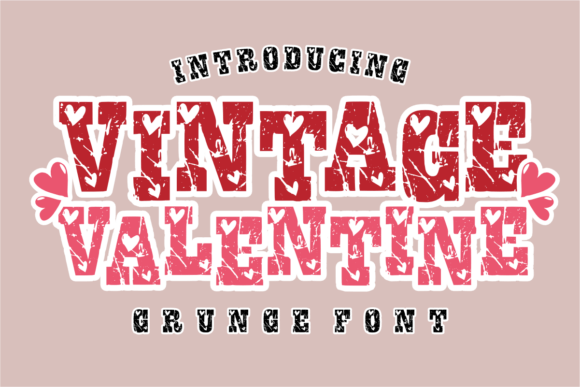
To appreciate the utility of Vintage Valentine, one must first understand the mechanics of the slab serif classification. Unlike traditional serifs, which feature delicate, tapered transitions between stems and feet, slab serifs utilize thick, blocky extensions. This architectural quality provides a sense of stability, confidence, and retro appeal. When applied to a Valentine’s theme, this structure prevents the design from becoming overly saccharine or fragile.
The genius of Vintage Valentine lies in this juxtaposition. It retains the emotional resonance required for romantic projects but grounds them in a sturdy, vintage framework. This makes it an excellent choice for brands that want to convey affection without sacrificing professionalism or readability. The font does not merely mimic handwriting; it constructs a visual identity that feels established and timeless. For general consumers and professionals evaluating this typeface, recognizing this balance is key to determining whether it aligns with a project's long-term branding goals.
Core Applications Beyond Seasonal Greetings
While the nomenclature implies a narrow use case, practical application reveals a much broader spectrum. The robust nature of the letterforms makes Vintage Valentine suitable for various commercial and creative endeavors. Below are primary scenarios where this typeface excels:
- Brand Identity and Logos: Boutique shops, bakeries, florists, and artisanal craft businesses benefit from the font’s inherent warmth. The slab serifs provide enough geometric precision to remain legible at small sizes on business cards while retaining character on large signage.
- Merchandise and Apparel: T-shirt screenprints and mug designs require typefaces that hold ink well and maintain integrity after washing. The solid strokes of Vintage Valentine reduce the risk of fading or breaking up during the printing process compared to thinner script fonts.
- Editorial and Publishing: Comics, zines, and creative storytelling formats often utilize slab serifs to evoke specific eras. This font works exceptionally well for titles, chapter headers, or dialogue emphasis in narratives set in the mid-20th century or those exploring themes of enduring love.
- Business Templates: Invoices, certificates, and formal invitations often feel sterile. Integrating Vintage Valentine into header elements adds a human touch to administrative documents without compromising their official nature.
Evaluating Suitability for Professional Projects
Adopting a new typeface requires more than aesthetic appreciation; it demands a practical assessment of technical performance. Before integrating Vintage Valentine into a workflow, designers should consider several functional factors to ensure the investment yields tangible results.
Legibility and Hierarchy Considerations
Slab serifs are inherently bold. Consequently, Vintage Valentine performs best as a display font rather than a body text option. When designing business templates or web layouts, reserve this typeface for headlines, subheads, and call-to-action buttons. Pairing it with a clean sans-serif or a neutral transitional serif for body copy creates necessary contrast. Overusing such a distinct typeface can lead to visual fatigue, diminishing the impact of the message. The goal is to let the font act as an anchor, guiding the viewer’s eye through the layout rather than overwhelming it.
Technical Versatility Across Media
One of the significant strengths of Vintage Valentine is its adaptability to different production methods. For digital creators, the font renders clearly on screens due to its substantial stroke width. For physical product creators, the lack of hairline details simplifies manufacturing processes. Laser engraving, vinyl cutting, and embroidery all favor the consistent thickness found in this style of lettering. However, users should always test the font at the intended output size. What looks elegant on a high-resolution monitor may become muddy when embroidered at two inches wide. Conducting physical proofs is an essential step in validating the font's effectiveness for tangible goods.
Navigating Limitations and Best Practices
No typeface is universally perfect, and honest evaluation includes acknowledging limitations. While Vintage Valentine is a fantastic addition to many libraries, it is not a catch-all solution. Understanding its constraints helps prevent misuse and ensures higher quality outcomes.
- Avoid Extended Body Text: Due to its decorative nature and heavy weight, reading long paragraphs set in Vintage Valentine is strenuous. Limit usage to short bursts of information—typically fewer than ten words per line.
- Mind the Spacing: Slab serifs can sometimes appear cramped if default kerning is left untouched. Take time to adjust tracking, especially in all-caps settings like logos or headers. Slightly increasing letter spacing often enhances the vintage airiness and improves overall legibility.
- Contextual Awareness: Despite its versatility, the font still carries a romantic connotation. It may be ill-suited for corporate finance, medical technology, or legal sectors where neutrality and sterility are paramount. Always assess whether the emotional tone of the typeface matches the industry standards of the client or project.
- Licensing Compliance: As with any creative asset, verify the licensing terms. Ensure that the license covers intended commercial uses, particularly for merchandise resale or embedded web fonts. Respecting intellectual property rights is fundamental to professional design practice.
Enhancing Creative Crafts and Personal Projects
For hobbyists and independent creators, Vintage Valentine offers a low barrier to entry for achieving professional-looking results. In scrapbooking, card making, and DIY home decor, the font provides instant stylistic cohesion. Because the letterforms are self-contained and distinct, they do not require extensive graphic embellishments to look complete. This efficiency is valuable for creators working under tight deadlines or with limited design resources. The font essentially does the heavy lifting, allowing the creator to focus on composition and color theory rather than struggling to make a generic typeface feel special.
Furthermore, the "vintage" aspect of the typeface pairs naturally with textured backgrounds, muted color palettes, and grain overlays. Creators can experiment with blending modes and opacity to integrate the text seamlessly into mixed-media pieces. This synergy between typography and texture amplifies the nostalgic value, making handmade items feel curated and thoughtful.
Making the Final Decision
Ultimately, the decision to incorporate Vintage Valentine into a font library should be driven by specific project needs and brand alignment. It is a tool designed to evoke emotion through structure, bridging the gap between past and present. For businesses seeking to soften their image without losing authority, or for artists looking for a reliable display face with personality, it delivers measurable value.
When evaluating this typeface, move beyond the name and focus on the form. Test it in real-world mockups. Print it out. View it on mobile devices. Assess how it interacts with other elements in your design system. If it enhances communication, improves aesthetic cohesion, and withstands technical scrutiny, then Vintage Valentine has earned its place in your toolkit. By approaching typography with this level of intentionality, creators transform simple letterforms into powerful vehicles for connection and expression. Whether used for a Valentine’s Day campaign or a year-round brand refresh, the font stands ready to elevate the work of those who understand its nuanced capabilities.