Fingard: A Modern Sans Serif for Bold Brand Identity
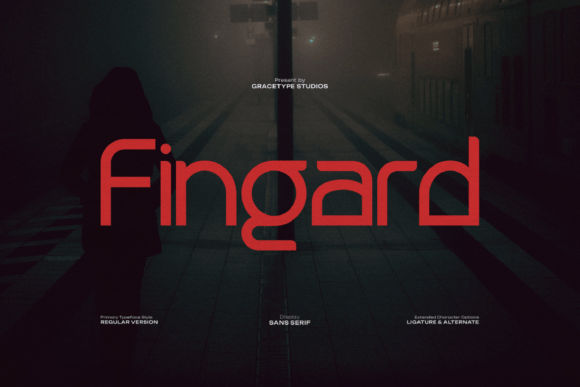
In the crowded landscape of digital and print design, finding a typeface that balances architectural precision with genuine personality is a constant challenge. Fingard emerges as a compelling solution for designers and brand strategists seeking to move beyond generic geometric sans serifs. This extended display sans-serif typeface is engineered for high impact, offering a visual weight that commands attention without sacrificing sophistication. Its elongated horizontal structure creates a sense of stability and forward momentum, making it an exceptional choice for projects that require a clean, strong, and futuristic presence.
What sets Fingard apart from other modern typography options is the nuanced treatment of its forms. While it presents as a bold, geometric system at first glance, closer inspection reveals subtle curves hidden within the straight lines. These details are particularly visible in characters like the g, a, and r. This deliberate softening prevents the font from feeling sterile or overly mechanical, injecting a layer of human-centric design into an otherwise rigid framework. For creative professionals, this duality means Fingard can function as both a structural anchor and a distinctive voice within a comprehensive brand identity.
Strategic Applications Across Media and Format
The extended proportions of Fingard make it inherently suited for environments where space is premium and readability must be instantaneous. In logo design, the wide stance provides a solid foundation that feels established and trustworthy, even for new startups. The unique character shapes offer built-in distinctiveness, often reducing the need for heavy modification or custom ligatures to achieve a proprietary look. When used in tech branding or app interfaces, the font’s futuristic quality aligns naturally with innovation narratives, signaling to users that the product is cutting-edge yet accessible.
Beyond corporate identity, Fingard excels in editorial and poster design. Its bold weights serve as powerful headlines that establish immediate visual hierarchy, guiding the viewer’s eye through complex layouts. For cinematic titles and event marketing, the typeface delivers the dramatic scale necessary for large-format printing while maintaining crisp edges and legible counters. Content creators and social media managers will also find value in its versatility; the extended width performs exceptionally well in video thumbnails and Instagram carousels, where text must be readable on small screens amidst competing visual noise.
- Tech and Startup Branding: Communicates innovation, stability, and modern efficiency through geometric clarity.
- Editorial Headlines: Creates strong entry points for articles and magazines without overwhelming body copy.
- Packaging Design: Offers shelf presence and legibility, particularly for minimalist or luxury consumer goods.
- Cinematic and Event Titles: Provides the architectural weight needed for posters, opening credits, and stage backdrops.
- Digital Interfaces: Enhances user experience with clear, wide-set letterforms optimized for screen reading at display sizes.
Enhancing Readability and Visual Hierarchy
While Fingard is classified as a display font, its construction pays careful attention to the mechanics of reading. Extended typefaces can sometimes suffer from poor spacing or awkward rhythm, but Fingard maintains consistent horizontal metrics that create a smooth reading flow at headline sizes. The open apertures and generous counter spaces ensure that letters remain distinct even when tracked tightly or rendered in lower contrast environments. This technical proficiency allows designers to push the aesthetic boundaries of their work without compromising functional communication.
From a psychological perspective, the font influences how audiences perceive information. The combination of geometric order and subtle organic curves suggests a brand that is both logical and empathetic. In marketing materials, this can translate to higher engagement because the typography feels professional yet approachable. Unlike harsh industrial fonts that may alienate general consumers, or overly decorative script fonts that sacrifice clarity, Fingard occupies a productive middle ground. It supports brand consistency across diverse touchpoints, ensuring that a company’s visual language remains coherent whether viewed on a billboard or a mobile device.
Practical Guidance for Implementation and Pairing
Selecting Fingard for a project requires thoughtful consideration of context and pairing. Because of its strong personality and extended width, it functions best as a primary display face rather than a secondary accent. When building a typographic system, pair it with a neutral, versatile sans serif or a classic serif font for body text. A condensed grotesque or a traditional old-style serif can provide excellent contrast, allowing Fingard’s width to shine without creating visual competition. Avoid pairing it with other extended or highly geometric display fonts, as this can lead to a monotonous or cluttered aesthetic that dilutes the intended impact.
Before committing to Fingard for a commercial project, test it rigorously in the actual medium of delivery. Print proofs are essential for packaging and poster work to verify that the subtle curves render correctly at various scales. For web design and digital assets, check rendering across different browsers and operating systems to ensure the extended proportions do not cause layout shifts or line-break issues. Review the available weights and styles to confirm they cover your full range of needs; a single bold weight might suffice for a logo, but a campaign will likely require multiple variations to maintain hierarchy.
- Evaluate Project Tone: Confirm that the architectural, futuristic aesthetic aligns with your brand values before licensing.
- Test Body Copy Contrast: Set sample paragraphs alongside Fingard headlines to ensure comfortable reading rhythm and clear distinction between hierarchy levels.
- Check Licensing Terms: Verify that your commercial font license covers all intended uses, including web embedding, app usage, and merchandise if applicable.
- Assess Space Requirements: Remember that extended typefaces consume more horizontal space; adjust layout grids and container widths accordingly during the mockup phase.
- Review Character Set: Ensure the font includes necessary glyphs, symbols, and language support for your specific market or multilingual content needs.
Ultimately, Fingard serves as a sophisticated tool for designers who understand that typography is not merely decoration but a fundamental component of communication. Its ability to merge minimalist aesthetics with functional clarity makes it a valuable asset in any creative toolkit. Whether you are crafting a new brand identity from scratch or refreshing an existing visual system, this typeface offers the structural integrity and contemporary appeal needed to resonate with modern audiences. By respecting its unique characteristics and applying it with strategic intent, you can leverage Fingard to create work that is not only visually striking but also deeply effective in achieving your communication goals.